
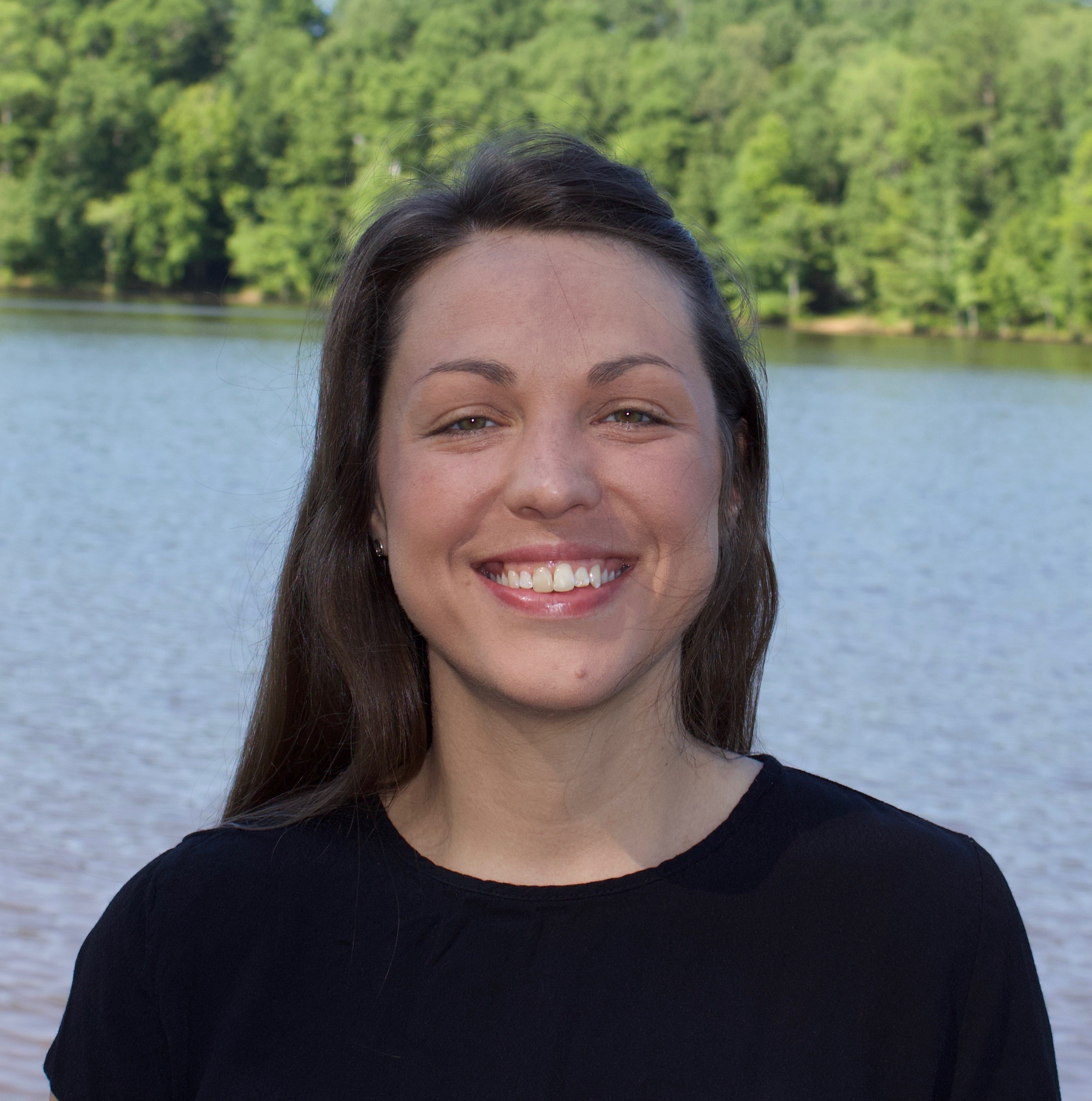
Abigail Bennett PhD
Assistant Professor Fisheries and Wildlife at Michigan State University
Meet the teamBio
Abigail Bennett is an assistant professor of global inland fisheries ecology and governance. She studies the role of fisheries in livelihoods and food security around the world. Her research examines how processes such as governance and trade shape the connections between fisheries and human well-being. For example:
- What kinds of governance arrangements can mitigate negative social and ecological impacts of global trade pressures?
- How important are fisheries for addressing hunger and malnutrition globally?
- How can we enhance fish value chains to increase access and benefits to women and the rural poor?
Empirically, she employs innovative approaches to confront the challenges of inadequate data, given that substantial global fish catch is unreported and post-harvest activities are often undocumented. To bring fisheries to the forefront in policy dialogues on sustainable development goals, such as reducing poverty and addressing global hunger, she works closely with organizations such as the United Nations Food and Agriculture Organization and other international organizations in the design, implementation, and dissemination of research.
Sample Works
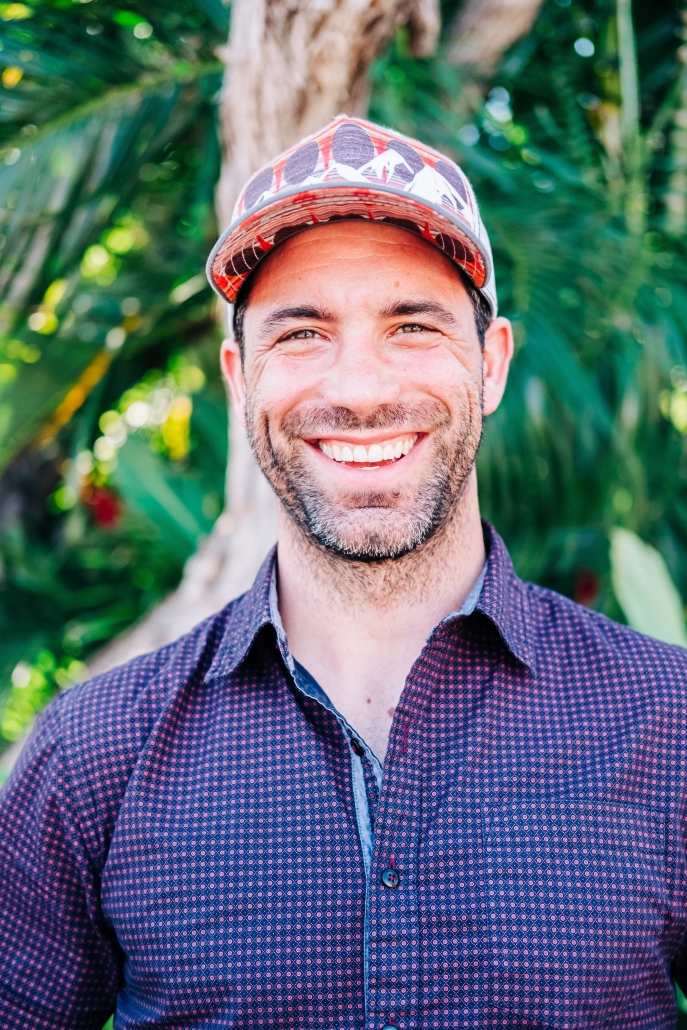
Daniel Trego
Media and Web Design Specialist
Meet the teamBio
Daniel Trego is an Educational Media Design Specialist at Michigan State University. His areas of expertise are in photography, 3d modeling (photogrammetry, digital twin creation, motion capture), and web design. He works with faculty to design effective media for teaching and learning and is passionate about storytelling and helping others create and cultivate their digital presence. Currently, he leads the iOS design lab, mentoring students at the intersection of design thinking, app development, and programming. He also works with the Burgess Institute for Entrepreneurship and Innovation, teaching 3d and digital prototyping. He is a team member with the Michigan State University Excavations at Isthmia, Greece where he teaches design and ethical storytelling.
Sample Works
Website Development
Ecology, Evolution, and Behavior and Michigan State University
The Michigan State Excavations at Isthmia
Photography
Art and Archaeology Exhibit, Corinth Exposed
Ethical Storytelling, Photographers Without Borders
Media Projects and Teaching
RFID Project, Isthmia Photogrammetry Development and Exhibition, Broad Art Museum Bridging STEM and the Arts
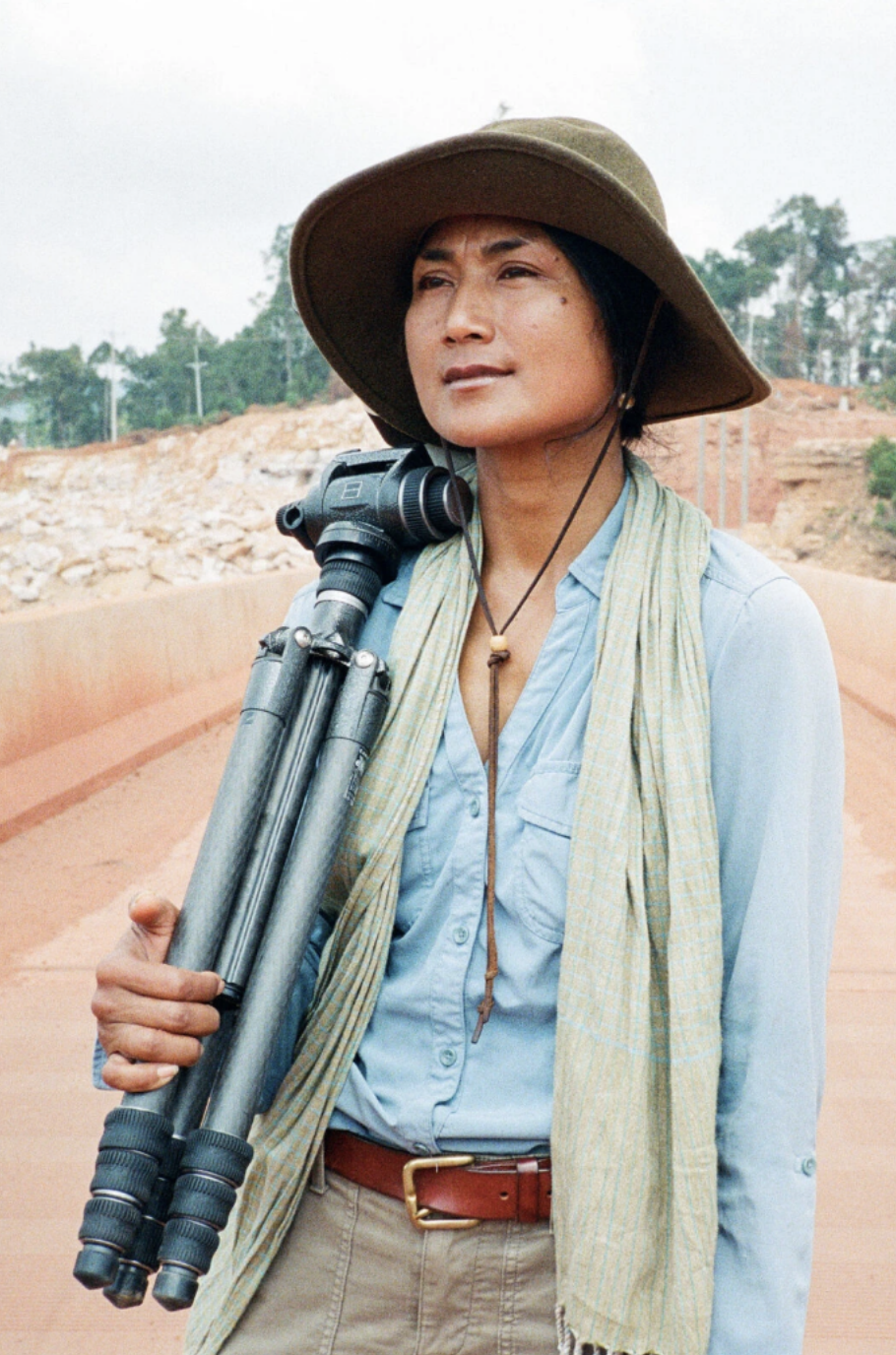
Kalyanee Mam
Storyteller and storyweaver
Meet the teamBio
Born in Battambang, Cambodia during the Khmer Rouge regime, which claimed the lives of over 2 million people, Kalyanee and her family were displaced from both their land and their home. Kalyanee has spent most of her life trying to understand the root cause of war, destruction, and displacement and how we can return home again. After spending years living with families in the forests, on the great Tonle Sap lake, and countryside of Cambodia, and by observing and experiencing their way of life, she understands how intimately connected this life is to the land, forests, and water and the neak ta or land and water spirits that protect them. Her debut documentary feature, A River Changes Course, won the World Cinema Grand Jury Prize for Documentary at the 2013 Sundance Film Festival and the Golden Gate Award for Best Feature Documentary at the San Francisco International Film Festival. Her other works include the documentary shorts Lost World, Fight for Areng Valley, Between Earth & Sky, and Cries of Our Ancestors. She has also worked as a cinematographer and associate producer on the 2011 Oscar-winning documentary Inside Job. She is currently working on a new feature documentary, The Fire and the Bird’s Nest.
Sample Works
TASTE OF THE LAND
In the Khmer language, the root word for “nature” and “country” is cheate, meaning “taste”: to truly understand the essence of the land, one must know it through the senses. Since fleeing Cambodia with her family during the Khmer Rouge regime, and a genocide which devastated an entire culture and displaced millions of people from their homes, award-winning documentary filmmaker Kalyanee Mam has spent much of her life searching for a rooted connection to place. This film follows her to the landscapes of her homeland—changing through deforestation, industrialization, urbanization and development—where she has spent years tenderly documenting the disappearing, relational ways of life held within them. As she comes to know these places not only through the lens of her camera, but through the intimate relationships she forms with the landscapes and people whose stories she shares, Kalyanee awakens an ancestral memory of the taste of the land that lies within.
KNOWING YOUR TASTE
Reconnecting with her homeland of Cambodia through the taste of Battambang oranges, yellow mushrooms, and chapchang snails, filmmaker Kalyanee Mam shares the land-tastes that helped orient her to a way of life deeply tethered to the land.
A RIVER CHANGES COURSE
Three young Cambodians struggle to overcome the crushing effects of deforestation, overfishing, and overwhelming debt in a country reeling from the tragedies of war and rushing to keep pace with a rapidly expanding world.
LOST WORLD
As Singapore dredges sand out from beneath Cambodia’s mangrove forests, an ecosystem, a communal way of life, and one woman’s relationship to her beloved home are faced with the threat of erasure.
FIGHT FOR ARENG VALLEY (A THREAT TO CAMBODIA’S SACRED FOREST)
In a remote valley in southwest Cambodia, the people of Areng Valley fight to protect their home from the looming construction of a hydroelectric dam.
CRIES OF OUR ANCESTORS
In the highlands of Guinea, home to the largest population of chimpanzees in West Africa, people and chimpanzees live peacefully side by side. Bauxite mining threatens to uproot this generations-old relationship. Once sharing the same water source and fruits from the land, both now struggle to survive.
PICKLED LIMES
During the Khmer Rouge regime in Cambodia, Kalyanee Mam’s mother nourished and sustained her family with umami soups, chicken rice, and fried noodles. Years later, as Kalyanee cooks for her husband and mother-in-law who have fallen ill during the pandemic, she reflects on food as a conduit for healing and love and shares her mother’s recipe for Pickled Lime Soup.
UNRAVELING THE STITCHES
Tracing her father’s struggle for agency and acceptance in the United States after her family fled the Khmer Rouge regime in Cambodia, Kalyanee Mam reflects on the false promise of the American Dream and the deep belonging she finds in the wisdom of her ancestors.
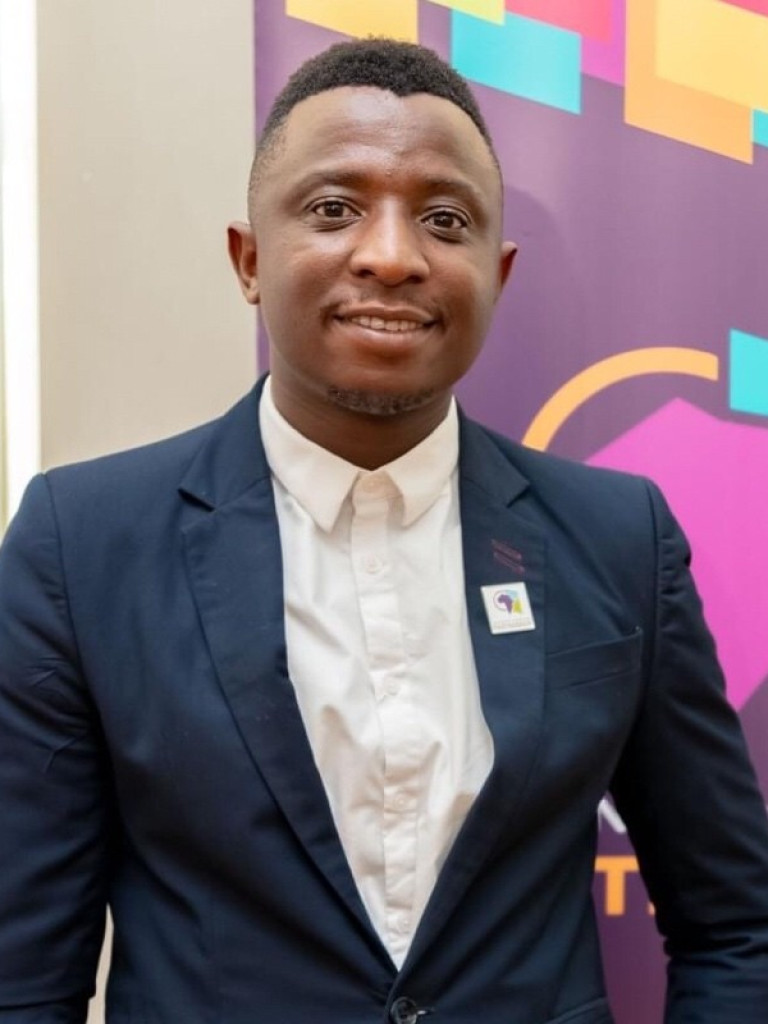
Abraham Mamela
Communications Coordinator @ Alliance for African Partnership
Meet the teamBio
Abraham is a Science Communication and Public Engagement practitioner, having been in the field for 14 years and accrued in-depth techniques and experience in working with scientists, business community, communities, policy makers and the media. He is interested in working with African researchers/ scientists, policy makers and various stakeholders towards advancing science development and participation among Africans as well as creating sustainable and equitable research ecosystems in Africa. Abraham is a recipient of the prestigious Wellcome Engagement Fellowship which he worked on exploring best practices in incentivising science development process in Africa by bringing diverse people, scientists and communities together to explore opportunities and mutual benefits to both Stakeholders of culture and Science in the science process. In the past, he led several creative science communication and engagement project initiatives in partnership with people from Botswana, US, UK, South Africa, India, Denmark, Uganda, Tanzania, Ghana and Namibia. All these global initiatives were ideated, led and implemented by Abraham in collaboration with different people and organizations from Africa, Europe and SouthEast Asia, bringing together scientists and non-scientists to co-create projects based on various issues such as mental health, climate change, food scarcity, genomics and health.
Sample Works
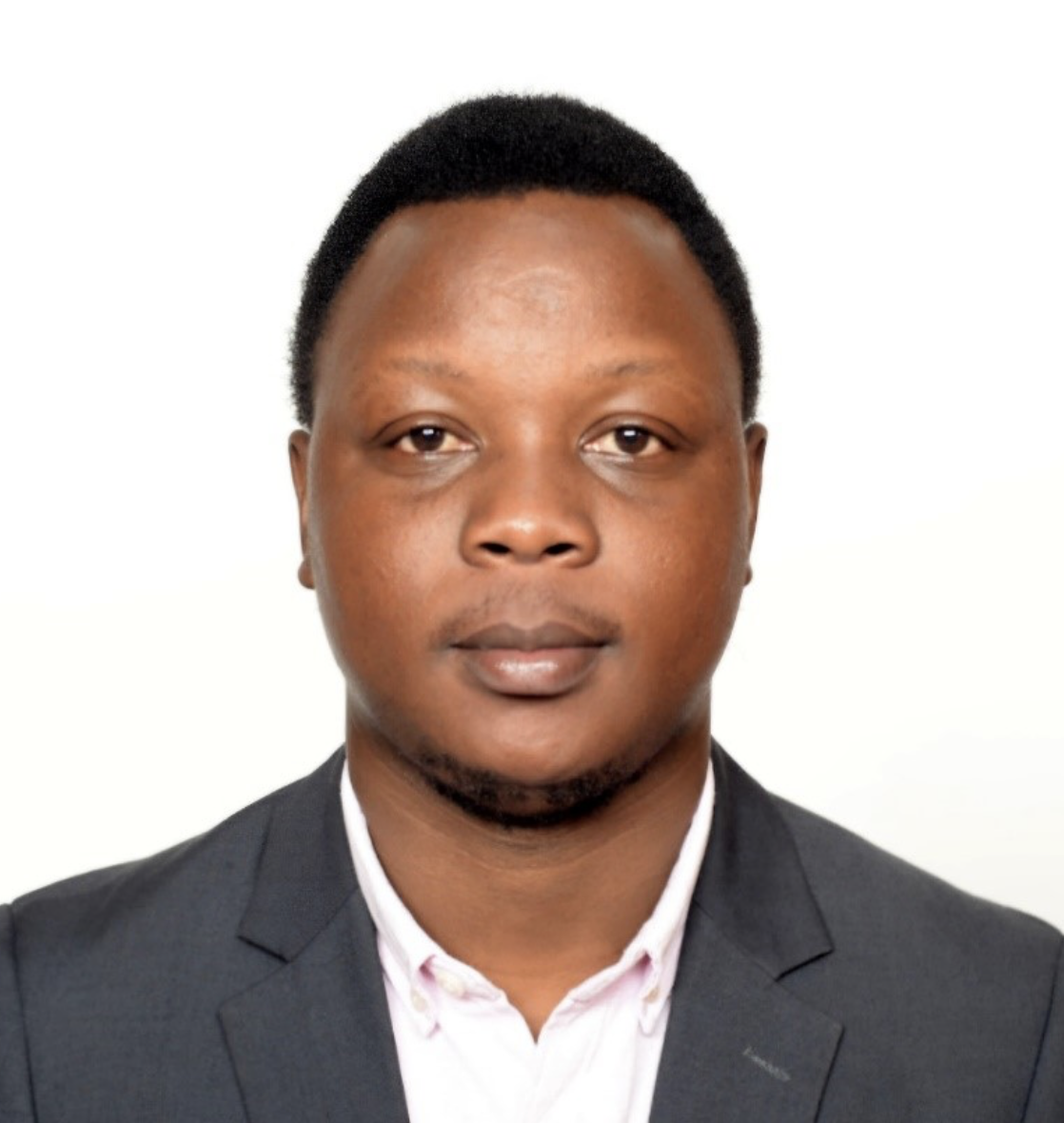
Patrick Kawaye
Research fellow at CARD LUANAR, Malawi pursuing a PhD in Agricultural and Resource Economics
Meet the teamBio
A pro-active Economist and Policy Researcher with keen interest in optimization of different soil and water management interventions in Agriculture. He aims to understand water allocation challenges and how climate change is affecting water availability and water quality and how perceptions of affected persons have shaped their adaptation strategies. As a Research Fellow at the Center of Agricultural Research and Development at Lilongwe University of Agriculture and Natural Resources, the number one University in Malawi, Patrick has worked with different institutions including FAO, WFP, The World Bank, National Commission of Science and Technology, Michigan State University, Norwegian University of Life Sciences (NMBU), Purdue University and other organizations in different projects. He serves in the National Task Force working with the Ministry of Agriculture, COMESA and FAO on Compilation and Updating the Malawi Food Balance Sheets (FBS) and has also served in the Technical Working Group on Implementation and Upscaling of Micro-Insurance in Malawi and the Development of Model Clusters in the country. His current research work is on utilization of technology in soil and water management optimization. He holds diverse skills in data collection, management and analysis using Python, ArcGIS, Mwater, ATLAS.ti. and NVivo among others and he is proficient in using Adobe Creative Cloud applications including Adobe Photoshop, Lightroom, and Premiere in multimedia content creation for research communication, knowledge dissemination, and community engagement. His work blends scientific rigor with creative storytelling to enhance the visibility and impact of research outcomes across various platforms and audiences.
Sample Works
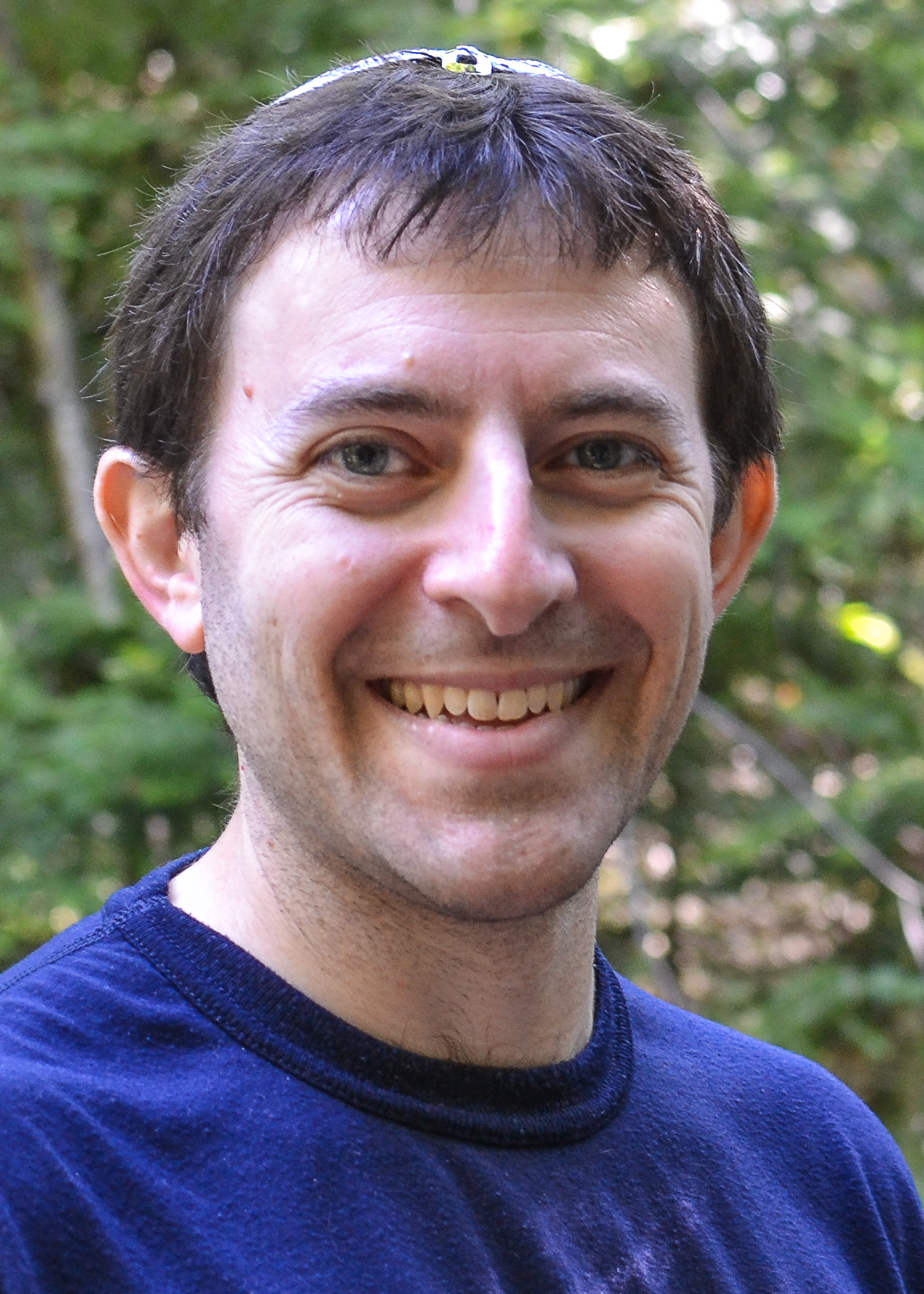
Mark Axelrod PhD
Professor in Department of Fisheries and Wildlife and James Madison College at Michigan State University
Meet the teamBio
Mark Axelrod (JD, PhD) is jointly appointed in Michigan State University’s James Madison College (public affairs) and Department of Fisheries & Wildlife. His teaching and research address environmental governance at multiple scales, with a focus on justice outcomes. Ongoing research explores local implementation of international environmental principles, policy impacts of scientific uncertainty, and gendered impacts of marine fisheries policy. He is particularly interested in the impacts of outside pressures (e.g., pollution, international trade, climate change) on fisheries and other environmental justice concerns in the Laurentian Great Lakes region. Axelrod’s recent publications appear in journals including International Migration Review, Earth System Governance, and Sustainability. He is Associate Editor for Global Environmental Politics, co-leader of Michigan Scholars Strategy Network, and member of the International Environmental Agreements Database Board of Contributors.
Sample Works
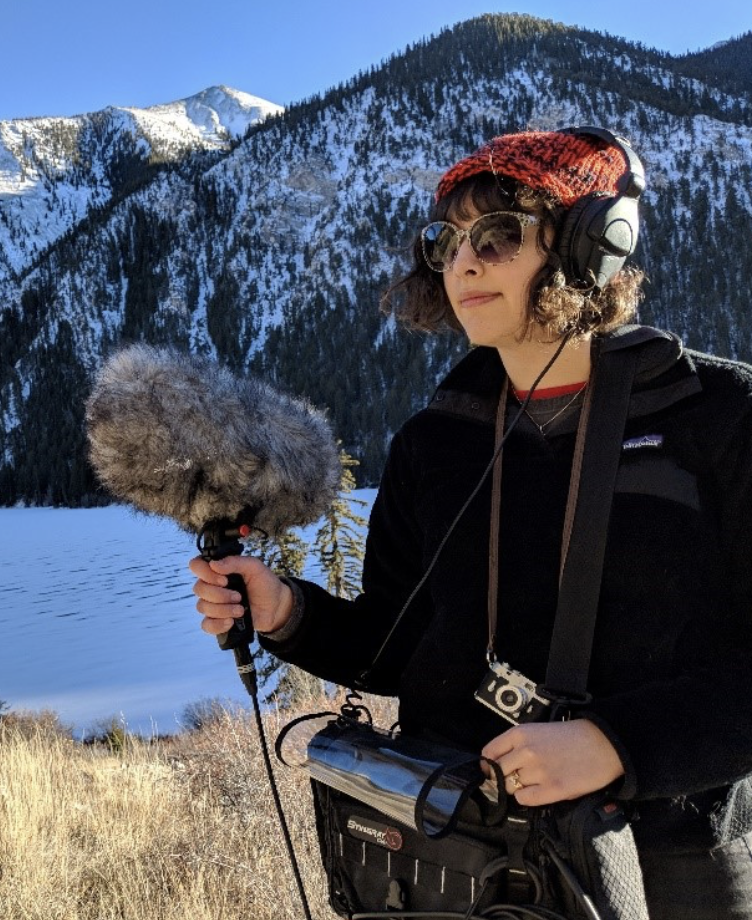
Marinna Guzy
PhD Student in Fisheries and Wildlife at Michigan State University
Meet the teamBio
Marinna Guzy is a sound artist, writer, and multimedia creator whose work bridges environmental storytelling and sonic exploration. She has created media for the Nature Conservancy, Focal Press, and the Smithsonian Center for Folklife and Cultural Heritage, with writing featured in Folklife, The Establishment, and Entropy Magazine. Her sound art appears in over 20 films and exhibits, including at the University of Pennsylvania, the Owens-Thomas House, and the global sound-art project Cities and Memory. Marinna is the co-founder of Raconteur Sound, a sound design partnership. She holds a B.A. in Environmental Studies from Vassar College and an M.F.A. in Sound Design from the Savannah College of Art and Design. Currently a Ph.D. student at Michigan State University, her research focuses on human adaptation to environmental change, Great Lakes fisheries, developing just research partnerships with Indigenous communities, and science communication.
Sample Works
Commissioned Soundscape for the Arthur Ross Gallery (University of Pennsylvania): Navigation Without Numbers (Binaural piece, headphones required)
MFA Soundscapes/Smithsonian Write-up
Flora and Fauntasia – experimental sound art video
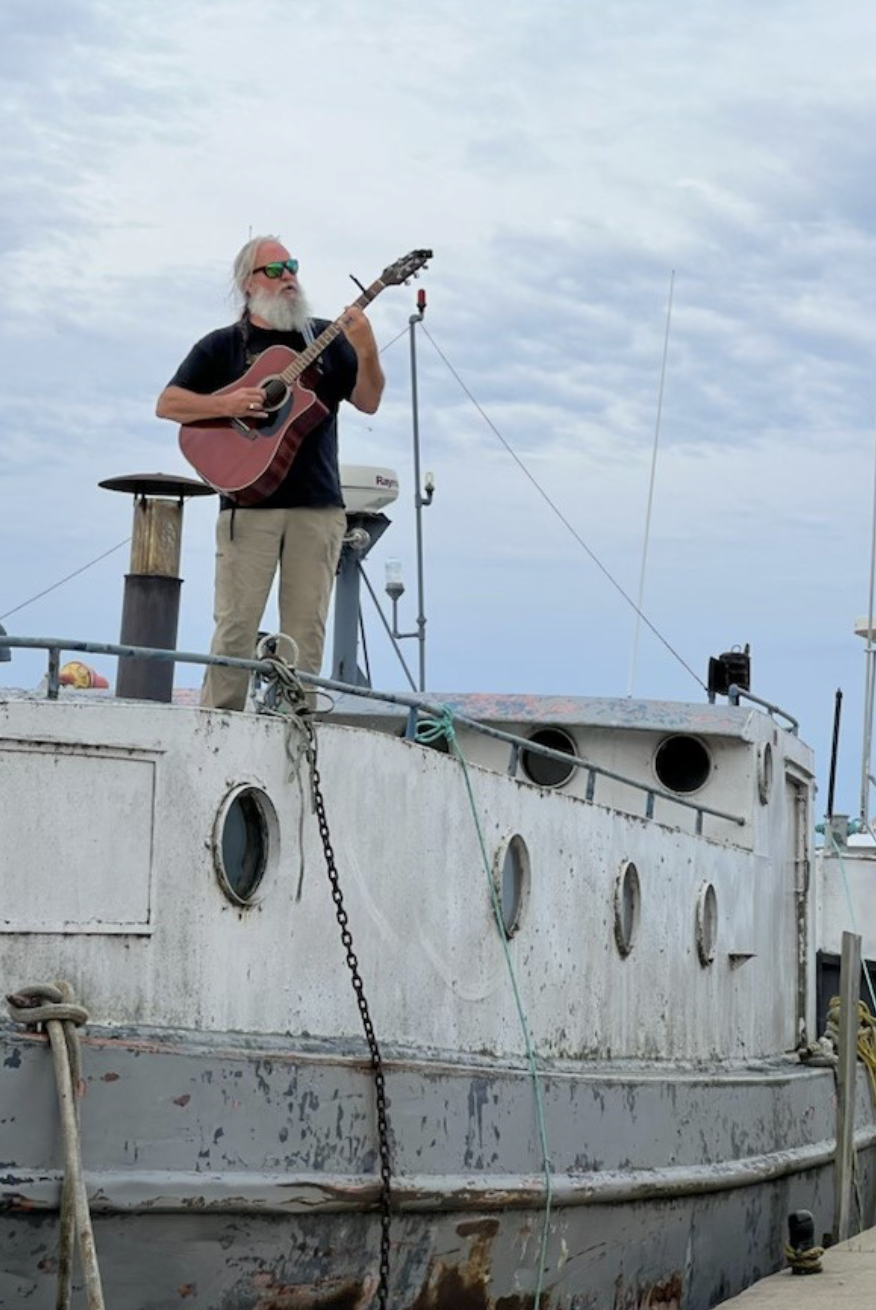
Jason B. Smith
Great Lakes Fishery Assessment Biologist Bay Mills Indian Community
Meet the teamBio
My love of all things fish likely stems from my childhood experience running trot-lines on Kentucky lake with the grandfather of a family friend. From there, I began chasing Aagwadashi (Bluegill) and Noosa’Owesi (Smallmouth Bass) in southeast Michigan, Ogaa (Walleye) and Ginoozhe (Northern Pike) in northern Ontario, Nme (Sturgeon) in the St. Clair River and recently Asaawe (Perch) in the Eastern UP. Fish and fishing in the Great Lakes region have been a source of joy for me for more than 40 years. I earned my BS and MS in fisheries from Michigan State University and have spent the last decade plus as a Tribal biologist focusing on Great Lakes native fishes and ecosystems. I am the Great Lakes Fishery Assessment Biologist for the Bay Mills Indian Community and my primary fish species for research and restoration include Atikameg (Lake Whitefish), Otoonapii (Lake Herring) and Jichkes (the Chubs).
Sample Works
Interlochen Public Radio Stories
‘A crisis’: Lake whitefish survey paints an even more dire picture
A new attempt to help whitefish, as they dwindle in Lake Michigan
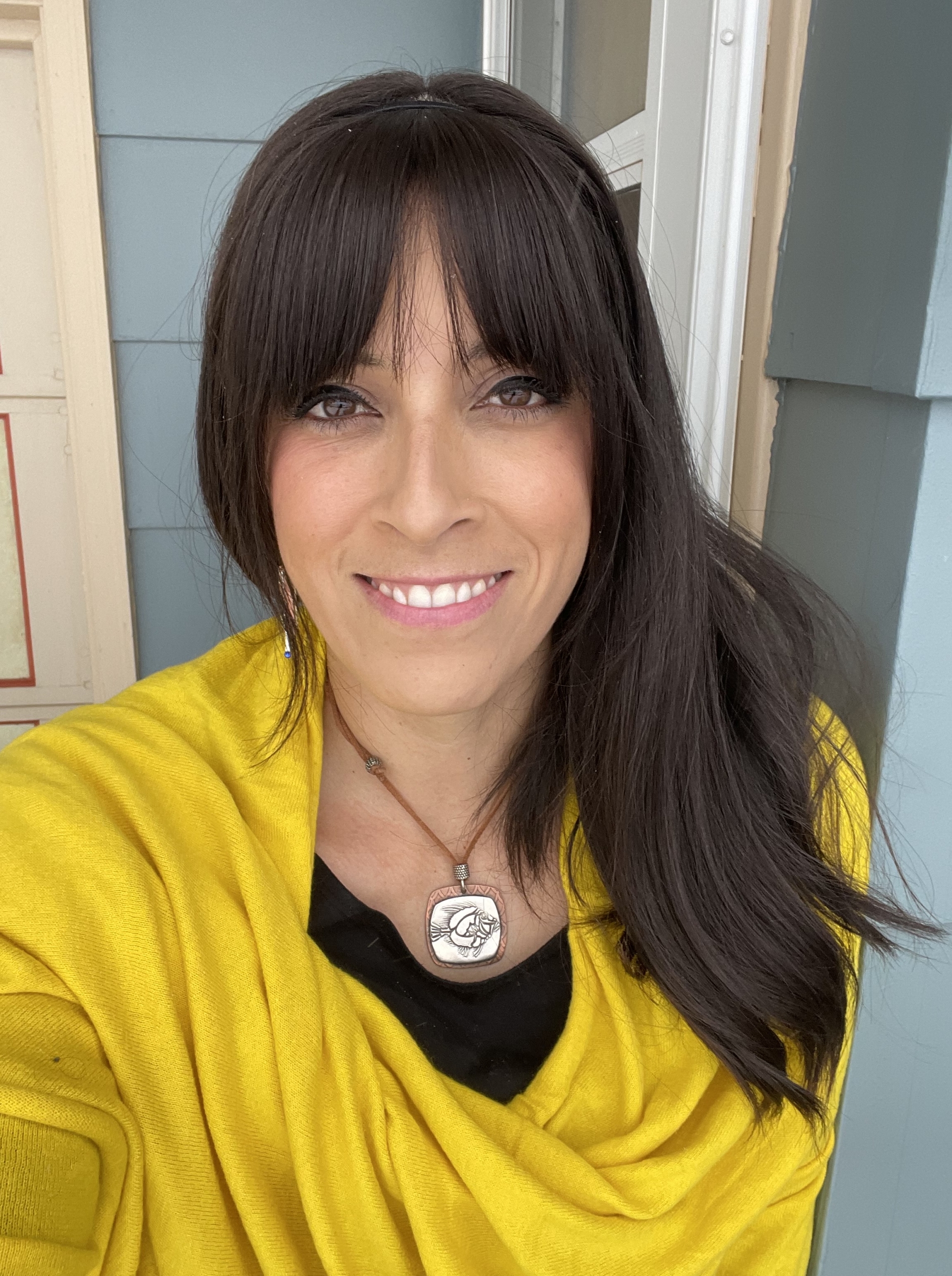
Mar Mancha Cisneros
Assistant Professor in the Department of Fisheries and Wildlife at the College of Agriculture and Natural Resources at Michigan State University
Meet the teamBio
Dr. Mancha-Cisneros is an Assistant Professor in the Department of Fisheries and Wildlife at the College of Agriculture and Natural Resources at Michigan State University. Her work centers around the multidimensionality of small-scale fisheries, especially inland fisheries, as well as the institutional design of governance structures enabling sustainable fisheries management. Broadly speaking, her research seeks to understand how institutions – policies, rules, or norms – mediate interactions between humans and natural resources, affect outcomes for fisheries sustainability and equity, and can incentivize human adaptation and collective response to ecological and social change. During her postdoctoral work at Duke University and later a consultant with the Food and Agriculture Organization of the United Nations, she worked as Technical Lead for the Illuminating Hidden Harvests Initiative (IHH) and co-authored the IHH Report: The Contributions of Small-scale Fisheries to Sustainable Development. She also recently coordinated the Sustainable Seafood Initiative at the Center for Marine Biodiversity and Conservation at Scripps Institution of Oceanography in San Diego, CA.
Sample Works
Dissemination video – Illuminating Hidden Harvests Initiative
Research paper – Illuminating the multidimensional contributions of small-scale fisheries
IHH Report: The Contributions of Small-scale Fisheries to Sustainable Development
Sustainable Seafood Initiative at the Center for Marine Biodiversity and Conservation
The Mekong School
Meet the teamBio
The Mekong School: Institute of Local Knowledge was established on the 18th and 19th of December, 2015 by the Rak Chiang Khong Group to enhance the work of The Mekong-Lanna Natural Resources and Cultural Conservation Network, and to serve as a platform for follow-up studies on changes caused by development in the Mekong River Basin.
Sample Works
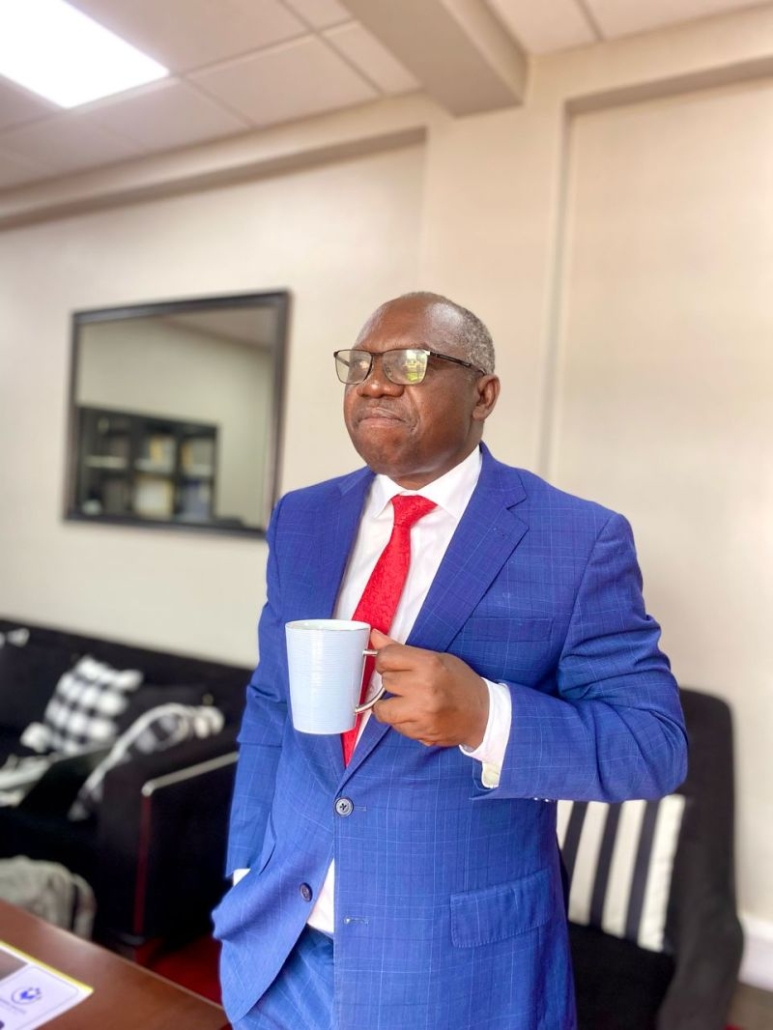
Professor Emmanuel Kaunda
ice Chancellor of the Lilongwe University of Agriculture and Natural Resources (LUANAR) in Malawi
Meet the teamBio
A distinguished academic, Professor Kaunda earned his PhD in Fisheries Science from Rhodes University in South Africa in 2001. He has since become a leading researcher and educator in aquaculture and fisheries, supervising over 25 MSc and PhD students and publishing more than 60 papers in peer-reviewed journals and conference proceedings . His research focuses on fisheries ecology, fish trade, and the development of sustainable aquaculture practices in Africa.
Beyond his academic contributions, Professor Kaunda has played a pivotal role in regional and continental initiatives. He served as Technical Coordinator of the NEPAD/Southern Africa Network on Biosciences (SANBio) Fish Node and coordinated Afri-FishNet, a network of African fisheries experts. He also contributed to the development of the Pan African Fisheries Reform Strategy as coordinator of the Aquaculture Working Group of the NEPAD Pan African Fisheries project.
Professor Kaunda’s leadership extends to several prestigious boards and advisory roles. He is the Chairperson of the National Commission for Science and Technology (NCST) in Malawi and serves on the board of the Africa Centre for Aquatic Research and Education (ACARE) . In 2023, he was appointed to the Advisory Board of the Alliance for African Partnership (AAP), reflecting his influence in advancing higher education and sustainable development across the continent.
Under his leadership, LUANAR has made significant strides in promoting research and innovation. Professor Kaunda has been instrumental in establishing the university’s research agenda, fostering collaborations that drive socio-economic change. He has also emphasized the importance of digital adoption in agriculture, advocating for technological integration to enhance productivity and market access.
Sample Works
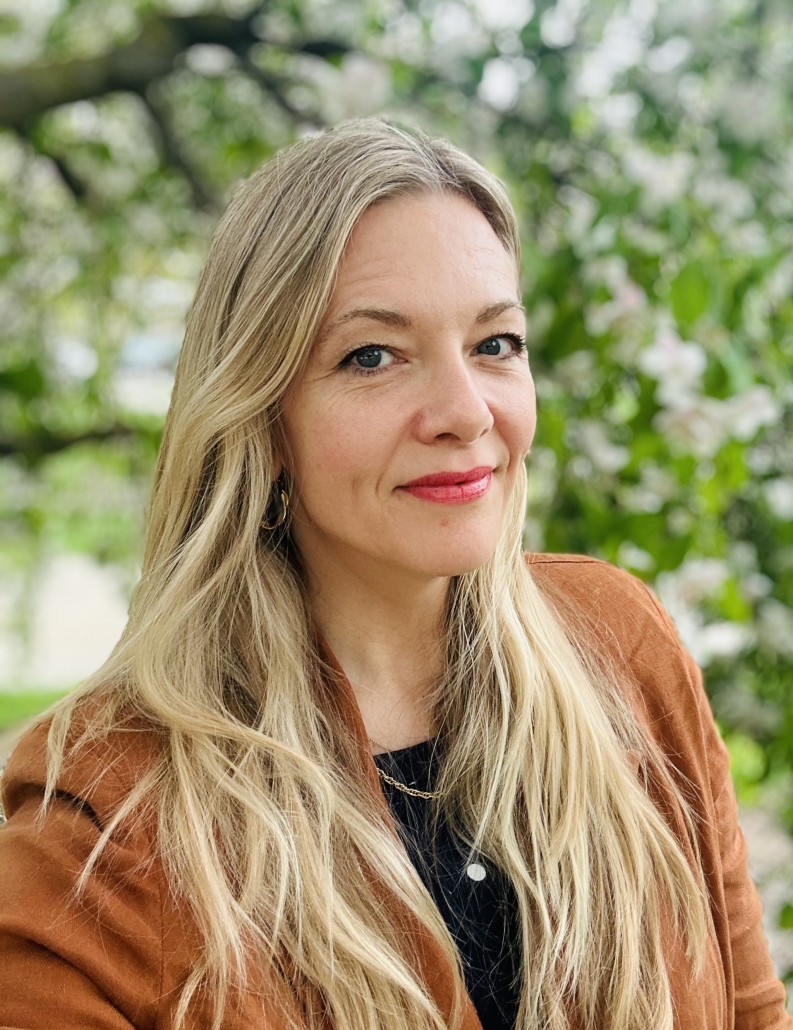
Amanda Flaim
Associate Professor of Comparative Cultures and Politics, Sociology, Peace and Justice Studies, and American Indian and Indigenous Studies
Meet the teamBio
Amanda Flaim is Associate Professor of Comparative Cultures and Politics, Sociology, Peace and Justice Studies, and American Indian and Indigenous Studies. She is affiliate faculty at MSU’s Center for Gender in Global Context and Asian Studies. Amanda has worked alongside Indigenous, agrarian, and riparian communities across the Mekong region doing collaborative, participatory research for almost twenty years. As the PI of the $1m LuceSEA funded Mekong Culture WELL, Amanda leads an international team of storytellers, artists, activists, artisans, social scientists and scientists to forge interdisciplinary and cultural understandings of Water, Ecologies, Land and Livelihoods (WELL) transitions across the Mekong Region, and to connect these dynamics of water and land dispossession to histories of capital expansion and colonial landgrabbing in Michigan. Amanda serves as a regular consultant to UNESCO and UNHCR on issues of resource dispossession, displacement and statelessness, and she is the co-curator of Mekong Voices, an upcoming art exhibition celebrating Mekong and Southeast Asian diasporic artists at the internationally celebrated Broad Art Museum.